🐝 Beekeeping Basics: A Practical Guide
Your first hive — equipment, seasonal rhythm, costs, and the honest time commitment before the first honey harvest.
Your first hive — equipment, seasonal rhythm, costs, and the honest time commitment before the first honey harvest.
Overview
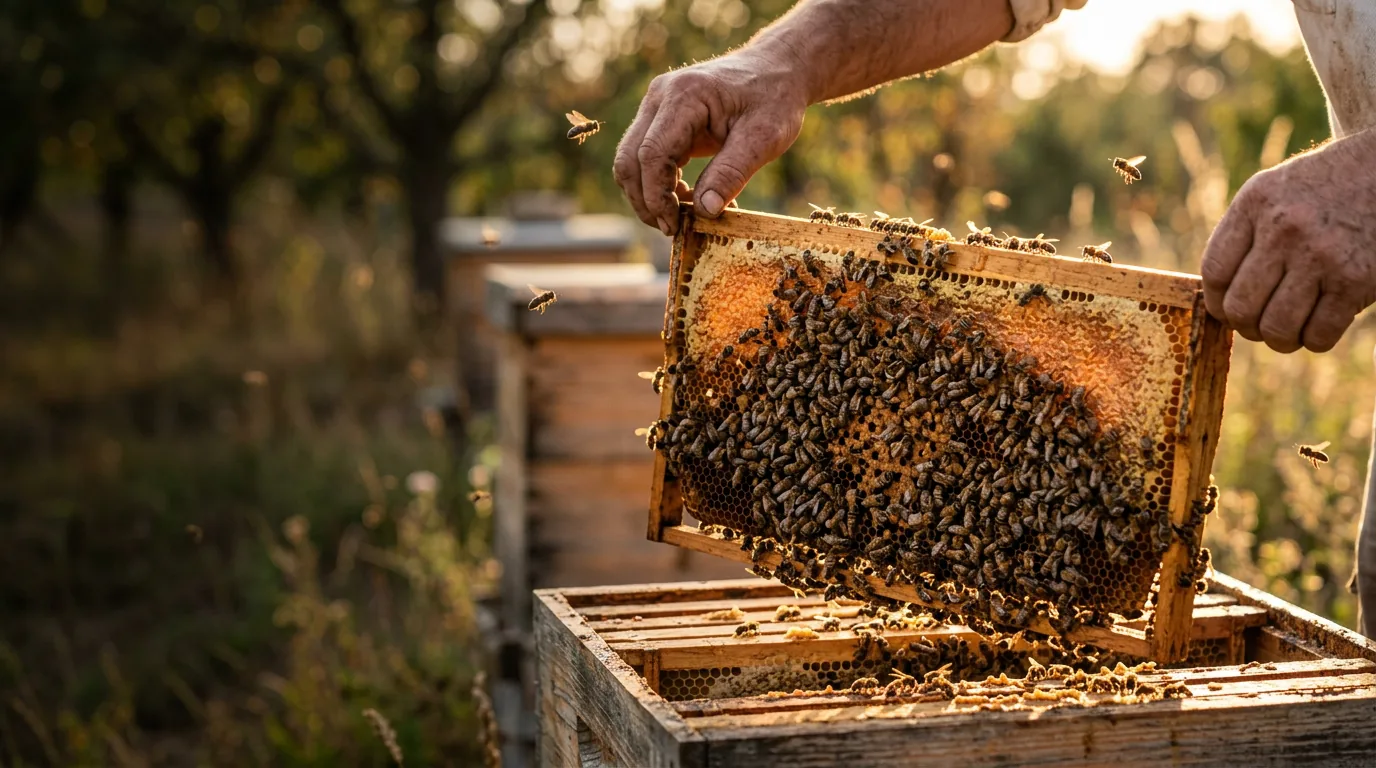
Beekeeping is managing colonies of honeybees in hives for honey, wax, pollination, and other products. A colony is a superorganism -- one queen, thousands of workers, seasonal drones -- that you support rather than control. Beginners typically use Langstroth hives (stackable boxes of frames) and start bees from a package, a nuc (nucleus colony), or a captured swarm. It's the most knowledge-intensive homestead 'livestock,' but deeply rewarding.
Why It Works
The colony's life follows the seasons: build-up in spring, peak population and honey flow in summer, winding down in fall, and clustering to survive winter. The beekeeper's job is to give them room to grow, monitor for health and the queen's performance, ensure enough food (theirs, before you harvest surplus), and -- critically -- monitor and manage varroa mites, a parasite that spreads viruses and is the leading cause of colony loss. Good beekeeping is timely, seasonal management, not constant intervention.
What You Get Out of It
- Honey and beeswax production.
- Pollination for gardens, orchards, and the wider area.
- Propolis and other hive products.
- Deep connection to seasons and ecology.
- A rewarding, skill-rich homestead pursuit.
Key Principles
Proven principles: (1) Educate first -- a class, a book, and a local club/mentor dramatically raise success. (2) Start with two hives to compare and share resources. (3) Follow the seasonal rhythm; give room in spring, harvest only true surplus, ensure winter stores. (4) MONITOR AND MANAGE VARROA -- the single biggest factor in modern colony survival. (5) Site hives with sun, wind protection, water nearby, and considerate placement away from foot traffic.
Step-By-Step
Step What to do Take a beginner course, read a solid book, and join a local beekeeping club/find a 1. Learn first mentor before buying bees.
Hive(s), frames, suit/veil, smoker, hive tool; order a nuc (easiest) or package in late 2. Get gear + bees winter.
Morning sun, wind protection, nearby water, level stand, entrance away from 3. Site the hive paths/neighbors.
- 4. Install & build up Install bees in spring; feed if needed while they build comb and grow the colony.
Test mite levels regularly and treat with an approved method -- this is non-negotiable for 5. Monitor varroa survival.
- 6. Seasonal Add space in a flow, harvest only surplus honey, and prepare strong, well-fed colonies management for winter.
Two things separate thriving beekeepers from lost colonies: learning before you buy bees (a club/mentor is gold), and actually monitoring and managing varroa mites. Skip either and you'll likely lose the hive.
Common Mistakes & Cautions
- Varroa mites will collapse untreated colonies -- monitoring and management are essential, not optional.
- Check local ordinances and be considerate of neighbors (placement, water, gentle bees).
- Account for sting allergies in your household before starting.
- Don't over-harvest -- leave the colony enough honey to survive winter.
- Beekeeping is seasonal and timing-sensitive; a mentor helps you avoid costly mistakes.
Gear & Supplies
- A beginner class + a good book + local club membership (the best 'gear' you'll buy).
- Hive equipment (start with two), protective suit/veil, smoker, and hive tool.
- Bees: a nuc (easiest for beginners) or package, ordered in late winter.
- A varroa monitoring/treatment kit and appropriate feeders.
The FarmFit Take
Bees reward respect and education more than any other homestead animal. Learn before you leap -- a class, a book, and a local mentor -- start with two hives, follow the colony's seasonal rhythm, and above all monitor and manage varroa mites. Do that and you'll get honey, wax, pollinated gardens, and a front-row seat to one of nature's most fascinating systems.
REFERENCES
- University Extension beekeeping guides (getting started, seasonal management).
- Cooperative Extension / apiary resources on varroa mite monitoring and control.
- Local beekeeping association starter materials.
How It All Connects
Bees pollinate everything else you're growing — the garden guides in this Library literally depend on them.
Where To Go Next
Two follow-ups matter more than they sound. Farm First Aid covers sting reactions and when a reaction stops being normal and becomes an emergency, and Heat and Cold Injury Outdoors is worth reading before you spend an August afternoon in a full suit. If bees are part of a wider operation, Farm Water Systems covers giving them a reliable water source that is not your neighbour's pool.
Get the printable one-page PDF version — free, straight to your inbox.
Related Guides
Common Questions
What is Beekeeping Basics used for?
Traditionally and in current practice, beekeeping basics is used for bees, honey, pollination, hive, self sufficiency. The sections above cover what the evidence actually supports versus what is traditional use only.
How do I prepare beekeeping basics?
The How To Use It section above covers preparation, form and typical amounts. Preparation method matters more than most people expect — the same plant prepared two ways can behave very differently.
Is beekeeping basics safe?
The Safety and Cautions section above lists the known interactions and contraindications. Safety depends on your own health conditions and medications, so check with your doctor or pharmacist before starting anything new.
How long before beekeeping basics works?
It depends entirely on what you are using it for. Acute uses may act within hours; anything working through the body's regulatory systems generally needs several weeks of consistent use before you can judge it.
Can I use beekeeping basics with prescription medication?
Possibly, but this is exactly the question to ask a pharmacist rather than the internet. Pharmacists check interactions for a living, the consultation is usually free, and herb-drug interactions are genuinely common.
Get the printable version
Download this guide as a clean PDF for your medicine cabinet — plus new guides as they publish.
Educational and informational purposes only. FarmFitUSA content is not medical or veterinary advice and is not intended to diagnose, treat, remedy, or prevent any disease. These statements have not been evaluated by the FDA. Consult a qualified professional before acting on anything here, and call a vet or a doctor when the situation warrants it.